Public Space Art by Juanjo Novella
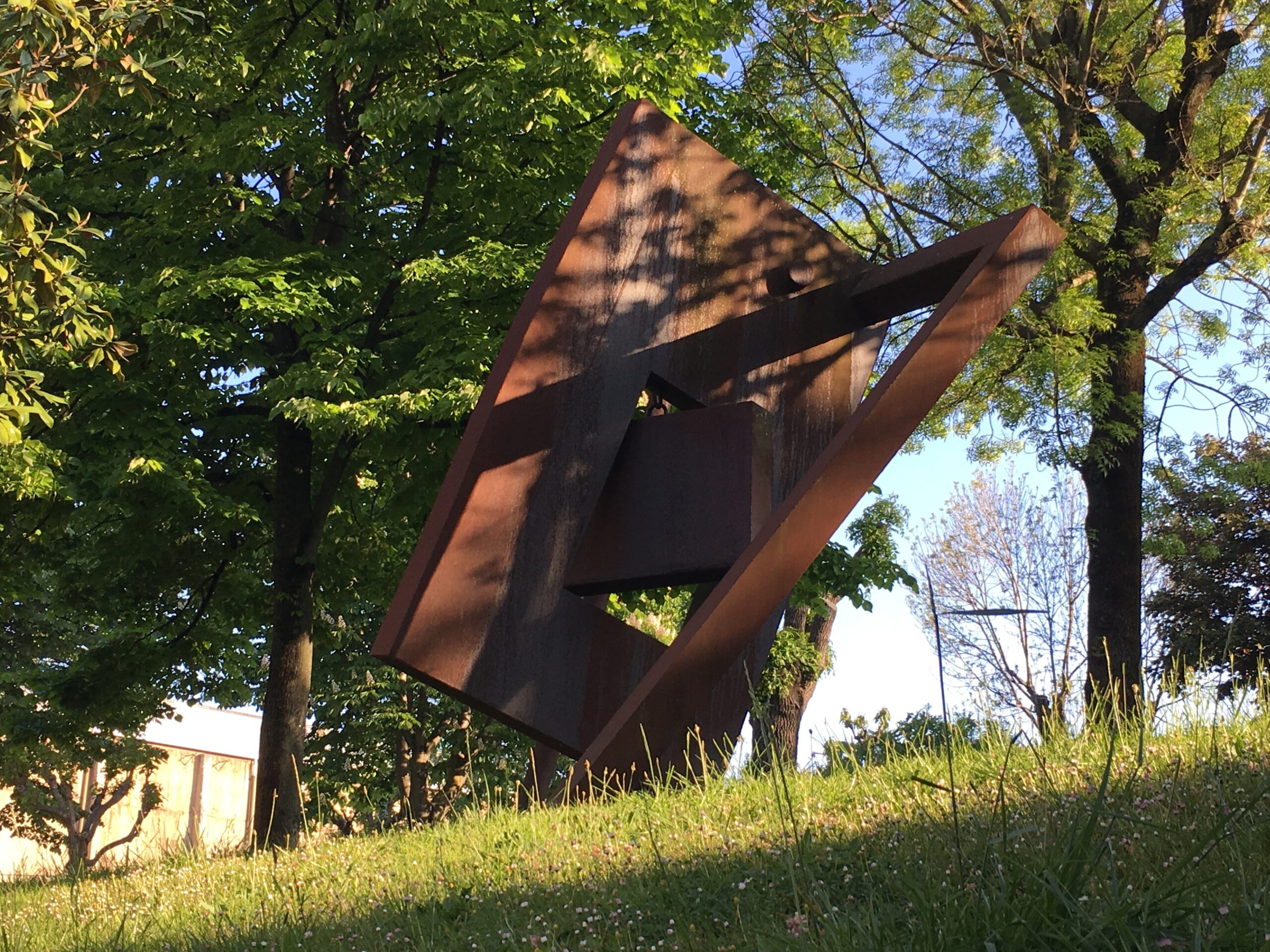
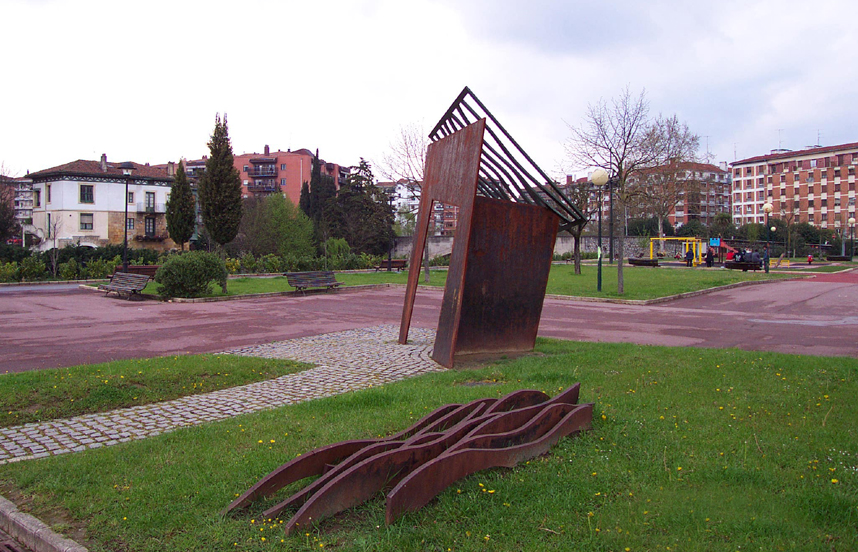
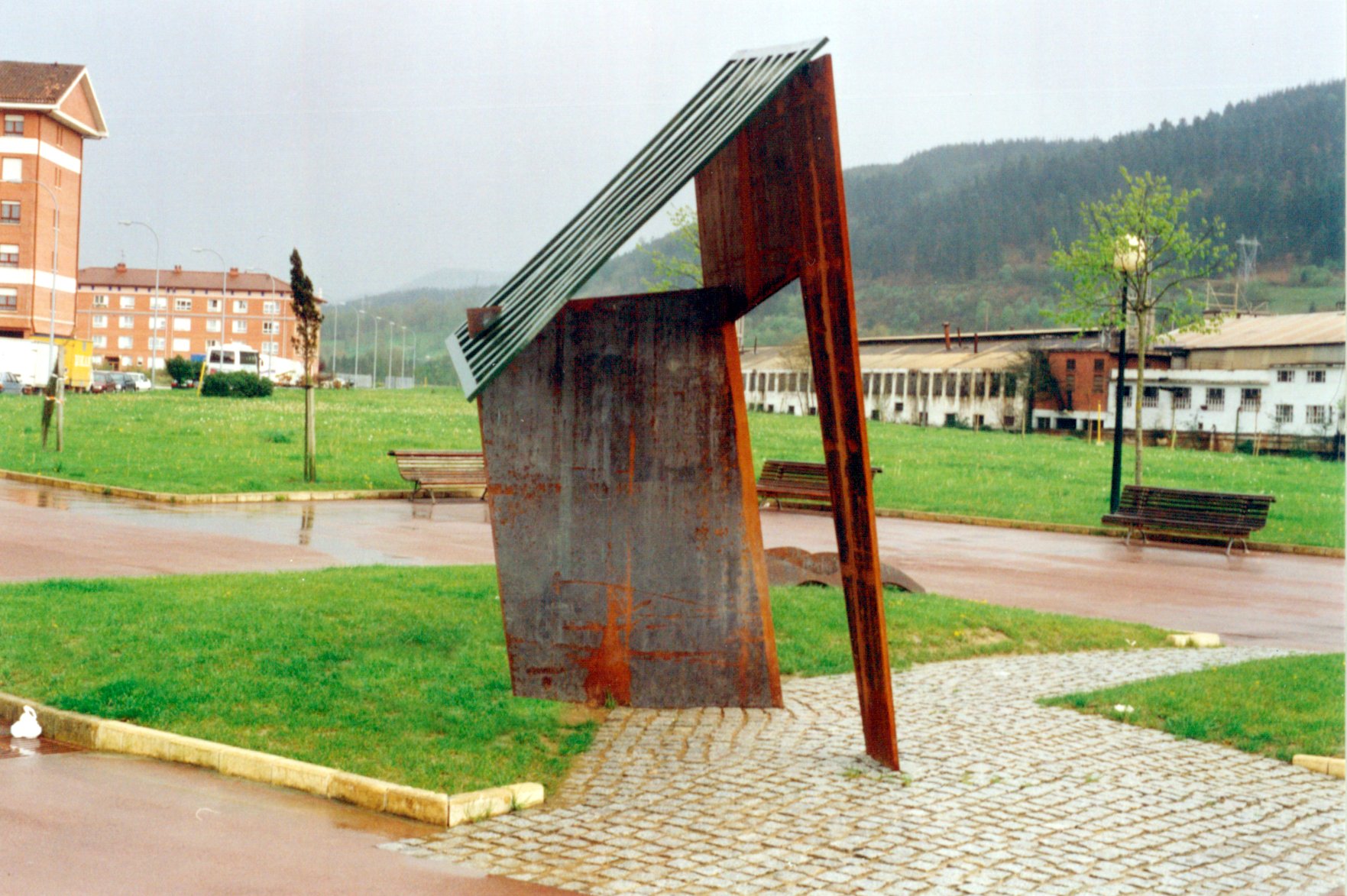
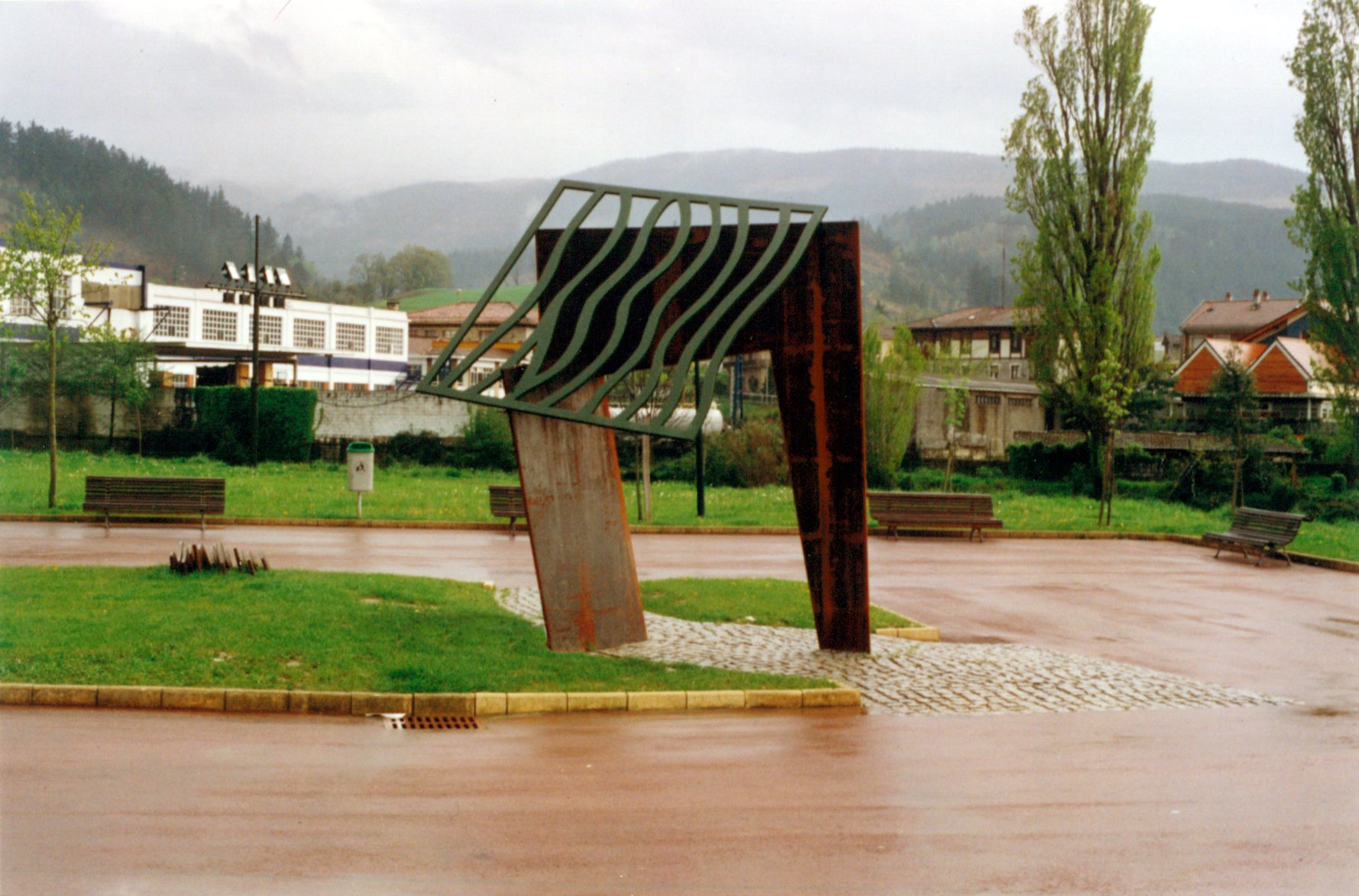
Ate Zubia is one of the most poetic sculptures by Basque artist Juanjo Novella. Installed in Zubiondo Square in Amorebieta-Etxano, this public artwork in corten steel embodies a bridge that connects not only physical spaces but also emotions, time, and community. Its open, evocative form turns the plaza into a place of transition and encounter, where art becomes a living experience.
This monumental urban sculpture offers the town of Amorebieta a strong visual and emotional identity. Inspired by the name of its location—Zubiondo, which means «foot of the bridge» in Basque—Ate Zubia is a clear example of how artistic proposals for municipal spaces can enrich public life and transform a square into a cultural landmark.
Made from perforated corten steel, a signature material in Novella’s work, the sculpture is built to endure the elements while engaging the surroundings. Over time, corten forms a natural patina, producing rich, earthy tones and dynamic light patterns. As the sun moves, the sculpture casts changing shadows—turning each visit into a new experience.
Functioning as both an open gate and a symbolic bridge, the sculpture invites people to walk through and reflect. This duality—architectural yet poetic—suggests a transition, a link between spaces and stories. It’s a large-scale outdoor installation that transforms everyday urban life into a ritual of movement, beauty, and connection.
Faithful to Novella’s philosophy—“Sculpture is not an object but a place”—Ate Zubia was created to be experienced physically. Citizens don’t just look at the sculpture; they walk through it, meet under it, and make it part of their daily rhythm. It fulfills aesthetic and social roles, aligning with ideas of participatory urban art and urban beautification through sculpture.
Since its installation in 1999, Ate Zubia has become a local icon and a milestone in Juanjo Novella’s career as an urban sculptor for public spaces. Its symbolic strength and site-specific integration make it a model for cities seeking creative solutions for public art interventions that combine identity, heritage, and vision.
Ate Zubia shows how sculpture can serve as a welcoming symbol, a civic landmark, and a meaningful gathering place. If you’re planning to hire a professional sculptor for a public art project that leaves a mark, Juanjo Novella offers powerful, poetic solutions for art in public spaces that inspire community and elevate the urban experience.